
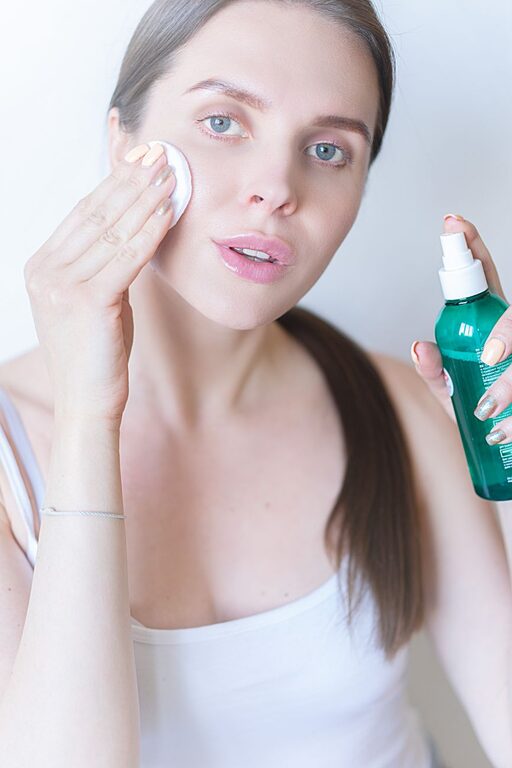
Starting a skincare routine doesn’t have to be complicated or overwhelming. Whether you’re new to skincare or just want to simplify your current routine, focusing on the basics can make a big difference in the health and appearance of your skin. This guide will help you build an easy, effective skincare routine that works for your skin type and lifestyle.
Why Having a Skincare Routine Matters
Our skin is exposed to environmental factors like pollution, sun, and dirt every day. A basic skincare routine helps to protect, nourish, and repair the skin, making it look fresh and radiant over time. It can also prevent common skin problems such as dryness, acne, or premature aging.
Step 1: Identify Your Skin Type
Before you choose products, it’s important to understand your skin type. This helps ensure you pick the right products that will benefit your skin.
– Normal: Balanced, not too oily or dry
– Dry: Feels tight, may flake or look dull
– Oily: Shiny with enlarged pores, prone to breakouts
– Combination: Oily in some areas (usually T-zone) and dry in others
– Sensitive: Irritated easily, redness or itching
If you’re unsure, gently wash your face and wait an hour. Observe how your skin feels and looks without applying any products.
Step 2: Start with the Essentials
A basic skincare routine often includes cleansing, moisturizing, and sun protection. These three steps are a great foundation.
Cleansing
– Use a gentle cleanser suitable for your skin type.
– Cleanse your face twice daily—once in the morning and once before bedtime.
– Avoid harsh soaps or scrubbing, which can irritate skin.
– Use lukewarm water to rinse to prevent dryness.
Moisturizing
– Moisturizers help keep skin hydrated and protect the skin barrier.
– Choose a lightweight lotion for oily skin or a richer cream for dry skin.
– Apply moisturizer after cleansing while your skin is still slightly damp for better absorption.
– Don’t forget to include your neck area.
Sun Protection
– Sunscreen is essential to protect your skin from harmful UV rays.
– Apply broad-spectrum sunscreen with at least SPF 30 every morning, even on cloudy days.
– Reapply sunscreen every two hours if you are outdoors for an extended period.
– Look for formulas that suit your skin type (gel-based for oily, cream-based for dry).
Step 3: Add Targeted Treatments (Optional)
Once you’re comfortable with the basics, you can introduce specific products to address concerns like acne, dark spots, or aging.
– Serums: Lightweight, concentrated treatments often containing ingredients like vitamin C (brightening), hyaluronic acid (hydration), or niacinamide (calming).
– Exfoliants: Use chemical exfoliants (like AHAs or BHAs) 1–2 times a week to remove dead skin cells and promote smoothness. Avoid physical scrubs which can be harsh on skin.
– Eye Creams: Designed for the delicate skin around your eyes to reduce puffiness or dark circles.
Remember to add new products slowly, one at a time, to monitor how your skin reacts.
Step 4: Maintain Consistency
The key to seeing results from any skincare routine is consistency. It might take a few weeks to notice changes, so stick with your routine daily.
– Be gentle with your skin.
– Avoid over-washing or over-exfoliating.
– Get enough sleep and drink plenty of water.
– Keep your hands clean and avoid touching your face frequently.
Step 5: Simple Tips for Skincare Success
– Remove makeup before bed to prevent clogged pores.
– Use clean towels and pillowcases regularly.
– Avoid using too many products at once.
– Patch test new products to avoid irritation.
– Adjust your routine as seasons change (lighter products in summer, richer in winter).
Final Thoughts
Starting a basic skincare routine is a great step toward healthier, glowing skin. Focus on gentle cleansing, regular moisturizing, and sun protection, then customize your routine as needed based on your skin’s responses. Remember, good skincare is a journey, not a race. With patience and care, your skin will thank you!
About the Author