
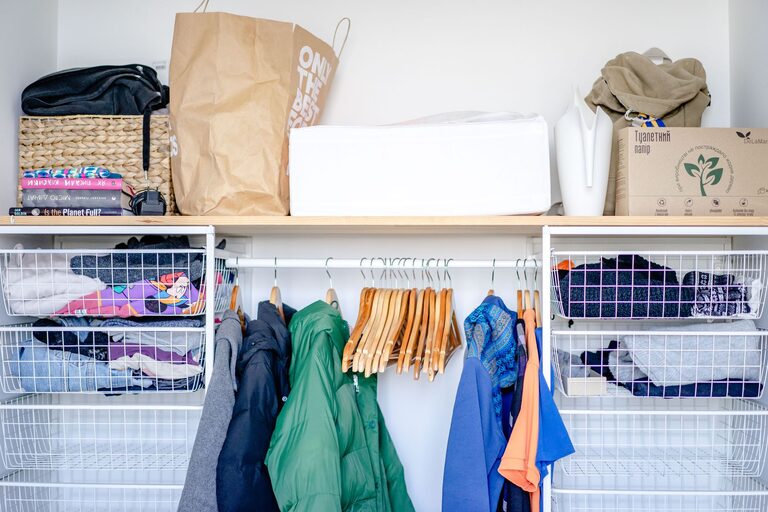
Storing seasonal clothes can be a challenge, especially when space is limited or when you want to keep your wardrobe organized and in good condition. Whether you are packing away winter coats or summer dresses, proper storage ensures your clothes stay clean, wrinkle-free, and ready to wear when the season returns. In this post, we will explore effective methods and useful tips on how to store seasonal clothes efficiently.
Why Proper Storage Matters
Storing clothes without care can lead to damage such as wrinkles, fading, mildew, or even pest problems. Proper storage helps maintain the quality of your garments and frees up space in your closet or dresser. Efficient storage also makes it easier to find items when the season changes, saving time and frustration.
Preparing Clothes for Storage
Before packing away your seasonal clothing, take the time to clean and prepare each item.
Clean Your Clothes
– Wash or dry clean: Dirty clothes attract insects and stains can set permanently.
– Make sure clothes are completely dry: Moisture can cause mold and mildew.
Repair and Sort
– Inspect for damage: Sew loose buttons or fix small tears.
– Sort by type: Group clothes by category, such as sweaters, coats, or accessories. This helps when unpacking later.
Choosing the Right Storage Containers
Selecting appropriate storage containers is important to protect your clothes.
Types of Containers
– Plastic bins with airtight lids: Great for keeping moisture and pests out.
– Fabric storage bags: Allow clothes to breathe but might not protect from insects.
– Vacuum-sealed bags: Save space but may compress delicate fabrics too much.
– Storage boxes: Cardboard boxes are less ideal as they can attract pests and absorb moisture.
Tips for Storage Containers
– Use clear containers to easily identify contents.
– Label each container with its contents and season.
– Avoid overpacking; clothes should not be tightly squished, which causes wrinkles.
Best Storage Locations
The place you store your seasonal clothes matters greatly.
– Cool, dry areas: Avoid basements or attics prone to moisture or temperature extremes.
– Closet shelves: If space allows, dedicate shelf space for seasonal items.
– Under-bed storage: Use flat bins or bags designed for under-bed use.
Maintaining a consistent temperature and low humidity helps protect fabrics.
Organizing Seasonal Clothes
Keeping your stored clothes organized ensures a smooth seasonal transition.
Tips for Organization
– Group by category: Keep all coats together, then sweaters, scarves, etc.
– Use dividers or compartments: These help separate smaller items inside containers.
– Roll rather than fold: Rolling can reduce wrinkles and maximize space for soft items like t-shirts and scarves.
– Store shoes separately: Clean and dry shoes before storing in shoe boxes or clear bins.
Protecting Clothes from Damage
To keep your clothes safe while stored, take additional protective steps.
– Use cedar blocks or lavender sachets: These natural repellents help deter moths and pests.
– Avoid plastic bags for long-term storage: They can trap moisture and cause fabric damage.
– Inspect stored clothes periodically: Check for signs of damage, pests, or moisture every few months.
Quick Tips for Seasonal Clothing Storage
– Clean clothes before storing.
– Use airtight containers when possible.
– Label boxes clearly.
– Store in cool, dry places.
– Roll soft garments to save space.
– Protect clothes with natural repellents.
– Avoid overpacking containers.
Conclusion
Efficiently storing seasonal clothes is more than just packing them away; it’s about protecting your garments and keeping your space organized. With clean clothes, the right containers, a good storage location, and smart organizing strategies, you’ll extend the life of your wardrobe and enjoy an easier seasonal switch. Follow these tips to make your next seasonal clothing storage effortless and effective.
About the Author