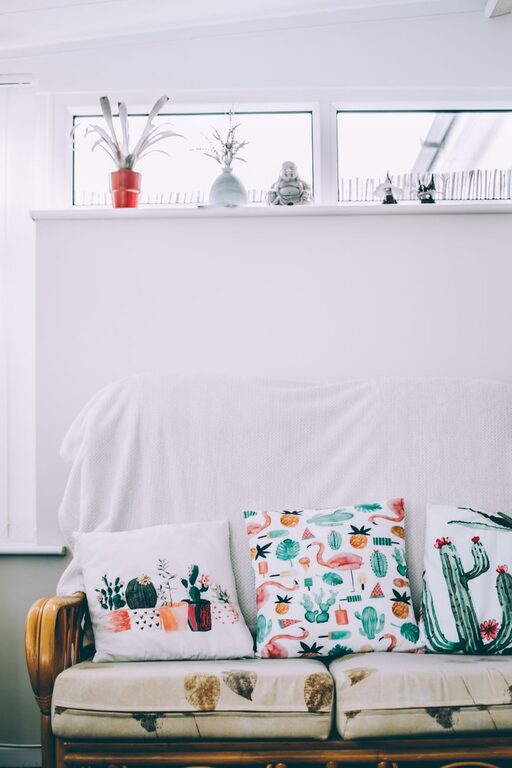

Bringing houseplants into your home is a wonderful way to add greenery and life to your space. Whether you have a collection of succulents, ferns, or flowering plants, keeping them healthy requires some attention and care. This guide offers practical tips to help you maintain vibrant, thriving houseplants that brighten your home.
Understanding Your Houseplants’ Needs
Every plant species has unique requirements, but all houseplants share some basic needs: light, water, soil, and nutrients. Understanding these needs is key to preventing common problems like wilting, yellow leaves, or stunted growth.
Light: Finding the Right Spot
Plants rely on light for photosynthesis, so providing adequate light is crucial. Some plants prefer bright, indirect sunlight, while others thrive in low-light conditions.
– Bright Light Lovers: Succulents, cacti, and most flowering plants typically need a sunny windowsill or a spot near a window that receives direct sunlight.
– Shade Tolerant Plants: Snake plants, pothos, and peace lilies can tolerate low to medium light and are great for rooms with less natural light.
Tip: Rotate your plants every week or so to ensure all sides receive equal light exposure, promoting even growth.
Water: Striking the Right Balance
Watering is one of the most common challenges in houseplant care. Overwatering can lead to root rot, while underwatering leaves plants dry and stressed.
– Check Soil Moisture: Stick your finger about an inch into the soil. If it feels dry, it’s time to water. If it’s still moist, wait a few days before checking again.
– Water Thoroughly: Water until you see it draining out of the bottom of the pot, ensuring the roots get adequate moisture.
– Adjust Frequency by Season: Most plants need less water during winter when growth slows down.
Tip: Use pots with drainage holes to prevent water from pooling at the bottom.
Soil: Providing a Healthy Foundation
The right soil mix supports root health and proper drainage.
– Use Potting Mix: Avoid garden soil, which can be too dense. Potting mixes are formulated to balance moisture retention and aeration.
– Choose Specialty Mixes: For plants like succulents or orchids, use soil mixes designed for their specific needs.
Tip: Re-pot houseplants every 1-2 years to replenish soil nutrients and accommodate root growth.
Nutrients: Feeding Your Plants
Plants need nutrients to grow and stay healthy. Over time, potted plants can deplete the nutrients in their soil.
– Fertilize Regularly: Use a balanced, water-soluble fertilizer every 4-6 weeks during the growing season (spring and summer).
– Avoid Overfertilizing: Excess fertilizer can harm plants, so follow the instructions carefully.
Tip: During fall and winter, reduce or stop fertilizing to mimic natural growth cycles.
Additional Care Tips for Happy Houseplants
Beyond the basics, some routine practices can keep your plants looking their best.
Monitor Humidity Levels
Many houseplants, especially tropical varieties, appreciate higher humidity.
– Use a Humidifier: This is especially helpful during dry winter months.
– Group Plants Together: Clustering plants can create a microenvironment with increased humidity.
– Misting: Occasionally spraying leaves with water can help, but avoid overdoing it as excess moisture can invite pests.
Prune and Clean Your Plants
Regular pruning encourages new growth and helps keep plants tidy.
– Remove Dead or Yellow Leaves: These can drain energy from the plant.
– Trim Leggy Growth: Pinch back stems to promote bushier growth.
– Clean Leaves: Dust can block sunlight. Gently wipe leaves with a damp cloth or give hardy plants a gentle shower.
Watch for Pests and Diseases
Even indoor plants can attract pests or develop diseases.
– Inspect Plants Regularly: Look for signs like discolored leaves, sticky residue, or webbing.
– Isolate Infected Plants: Prevent spread by moving affected plants away from others.
– Use Natural Remedies: Insecticidal soap or neem oil are safe options for most pests.
Choose the Right Containers
The container you select impacts plant health.
– Proper Size: A pot that’s too small constrains roots; too large can hold excess moisture risking rot.
– Drainage: Always pick containers with drainage holes or add a layer of gravel at the bottom.
Troubleshooting Common Houseplant Problems
Understanding common issues helps you act quickly to save a struggling plant.
| Problem | Possible Cause | Solution |
|———————–|—————————–|——————————————|
| Yellowing leaves | Overwatering or nutrient deficiency | Reduce watering, fertilize appropriately |
| Wilting leaves | Underwatering or root rot | Check soil moisture; repot if needed |
| Brown leaf tips | Low humidity or salt buildup | Increase humidity; flush soil with water |
| Stunted growth | Insufficient light or nutrients | Move to brighter spot; fertilize |
Conclusion
Caring for houseplants is both rewarding and relaxing. By understanding their fundamental needs for light, water, soil, and nutrients, and by incorporating simple routines like pruning and monitoring for pests, you can enjoy thriving greenery indoors. Remember, each plant is unique, so observe how yours respond and adjust your care accordingly. Happy gardening!
—
With these tips, you’ll be well on your way to maintaining healthy, beautiful houseplants that enhance your living space year-round.
About the Author