
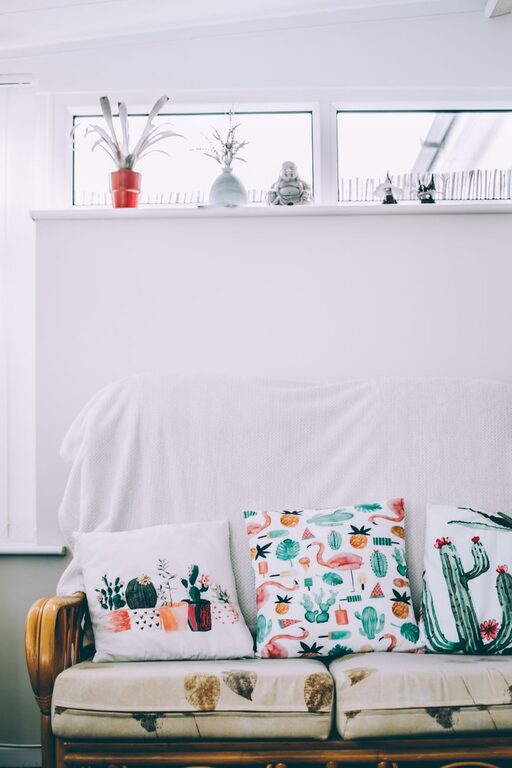
A dark room can feel cramped, dull, and uninviting, but with a few thoughtful changes, you can transform it into a bright and cheerful space. Whether you’re dealing with limited natural light or heavy window treatments, these quick ideas will help bring more light and life to your room. From lighting solutions to color choices and smart decor, here’s how to brighten a dark room effectively.
1. Use Light and Bright Colors
Paint Walls in Light Shades
One of the fastest ways to brighten a space is by painting the walls a light, reflective color. Whites, creams, soft pastels, and light grays reflect more light, making a room feel more open and airy.
Brighten with Colorful Accents
Add pops of bright colors through cushions, rugs, curtains, or art. Vibrant colors contrast well against light walls and can energize the space.
2. Maximize Natural Light
Choose Sheer or Light Curtains
Heavy drapes block sunlight. Switch to sheer or light-colored curtains to allow more daylight to filter through. You can also use blinds that are easy to adjust.
Clean Windows Regularly
A simple but often overlooked tip: clean your windows inside and out to let in as much natural light as possible.
Use Mirrors to Reflect Light
Strategically placing mirrors across from windows can bounce light around the room, increasing brightness. Consider a large mirror or a set of smaller decorative ones.
3. Enhance Artificial Lighting
Layer Your Lighting
Don’t rely on a single ceiling fixture. Use a mix of lighting types such as floor lamps, table lamps, and wall sconces. Layered lighting can eliminate shadows and evenly illuminate the room.
Opt for Bright, Warm Bulbs
Choose LED bulbs with a brightness of at least 800 lumens and a warm color temperature (around 2700 to 3000 Kelvin) for a cozy yet well-lit atmosphere.
Consider Light Fixtures with Reflective Surfaces
Fixtures made of glass or metallic finishes amplify the light they emit, helping brighten the space.
4. Select Furniture and Decor Thoughtfully
Choose Light-Colored Furniture
Furniture in whites, light woods, or pastel tones helps prevent the room from feeling heavy. Avoid dark, bulky pieces that absorb light.
Keep Furniture Placement Open
Avoid blocking windows and pathways. Arrange furniture to maximize the flow of light and air.
Incorporate Reflective and Transparent Materials
Glass tables, acrylic chairs, and glossy surfaces reflect light better than matte or dark finishes.
5. Add Greenery and Natural Elements
Use Plants to Bring Freshness
Green plants add life and color to a room without darkening the space. Choose varieties that thrive in low-light conditions if natural light is limited.
Incorporate Natural Textures
Materials like jute rugs, wicker baskets, or wooden accents add warmth and interest without heavy visual weight.
6. Declutter and Organize
Keep Surfaces Clear
Clutter can make any room feel smaller and gloomier. Use smart storage solutions to keep things tidy and maintain an open feel.
Use Open Shelving
Open shelves painted a light color can help keep the room airy while displaying items in an organized way.
7. Small Upgrades That Make a Difference
Add a Statement Light Fixture
A stylish chandelier or pendant light can brighten and uplift the room’s vibe instantly.
Use Light-Colored Rugs
Dark rugs can anchor a room but may also make it feel darker. Opt for lighter rugs with subtle patterns to keep the floor bright.
Hang Artwork Thoughtfully
Choose art with light backgrounds or vibrant colors and hang pieces in well-lit areas to create visual interest.
—
Brightening a dark room doesn’t have to be complicated or expensive. By combining these quick ideas—focusing on light colors, maximizing natural and artificial light, and choosing the right furniture and decor—you can create a space that feels welcoming, cheerful, and full of life. Start with a few changes today and enjoy a brighter, more inviting room!
About the Author